
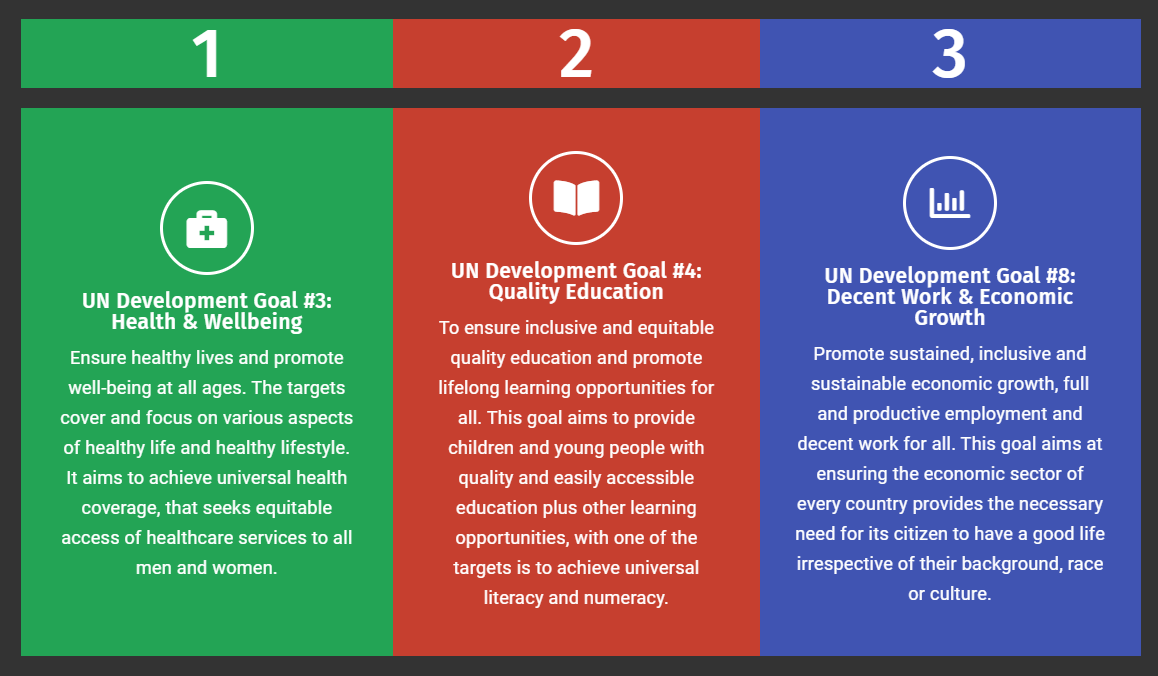
If you had come here because of the link in the information pack, great. If you have come here because you found this page through other means – read on and if you are inspired to contribute (on April 16-19) – head to the Hackmakers site (here) to register for this event.
Continue reading “Each Little Bit Helps …”Author: Jason Lowe
I am passionate about how organisations adopt IT quickly and sustainably to achieve a specific and measurable outcome. This thinking is supported through lean IT practices in operational support and project delivery, and adopting these practices with Oracle technologies by creating sustainable platforms. I'm also interested different perspectives and drivers - from enterprise to start-ups, academia to commercial to public sector, cost-sensitive (risk) to value-driven (reward) - all of which influences decisions that organisations make.
I have a passion for community and have been called "a connector" - meeting new people that are trying to solve valuable and hard problems and connecting them with others that can validate and help realise their full potential. I've supported different organisations like TADHack and Hacking Health as a global organiser.
I'm is a persistent blogger on medium.com and redthunder.blog and on LinkedIn - https://www.linkedin.com/in/lowe-jason
#CommunityMatters #ItTakesAVillage
Adding OAuth to ORDS
Adding security over the APIs across multiple layers was something that we considered when putting this project together. This perspective was reinforced at the #DigitalDefence hackathon in Nov 2020. Check out what happened (here).
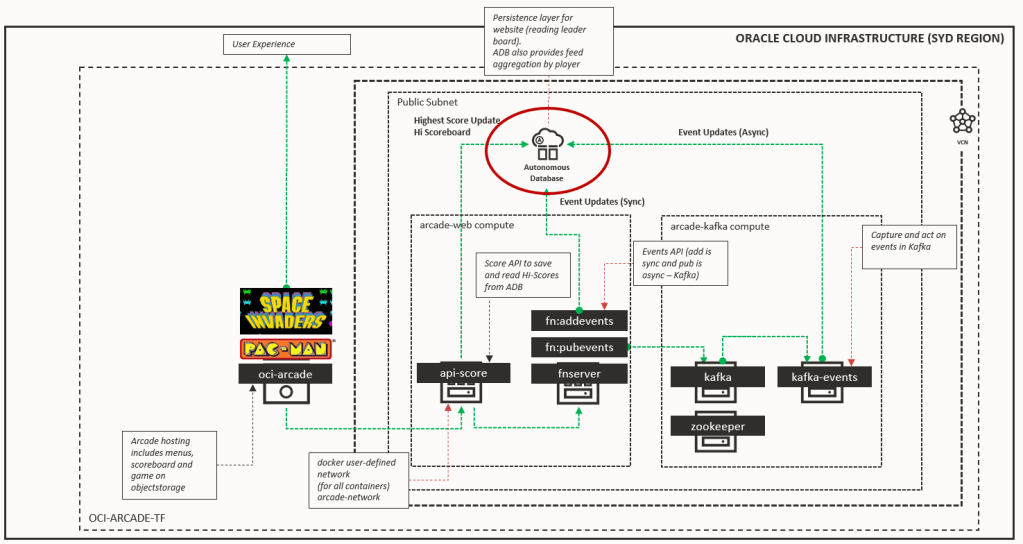
Here we will focus on the different REST APIs exposing the data hosted by Autonomous Data Warehouse. We started off with HTTP Basic Authentication but quickly turned to using OAuth. Here we’ll explore more about the OAuth side and how to get that started.
Continue reading “Adding OAuth to ORDS”Theia-IDE on Always Free Tier
After building out the OCI Arcade on Oracle Always Free Tier (check out a recent blog here), I was on a roll. What was next? The inspiration came after a virtual session with some other mentors that I was working with. The need to share code, have an environment that was easy to use as well as provide a method of multiples users developing in the same workspace.
I remembered back in 2016, that I used Cloud9 which was a development environment that I could plug into with a full Java environment. We used to for our Developer Experience workshop for some client-side dev (with the client-side installation issues). Cloud9 which since got bought by AWS. And then a few years ago, Eclipse Che and Codenvy surfaced as a potential alternative. It’s still around and going strong from what I see. And I dug a little deeper into Che and found that Che’s browser-based development environment is based upon a project called Theia – a Cloud and Desktop IDE. … So bingo … here it is Theia-IDE deployed into Oracle Always Free Tier for cloud-based / browser development environment. Check out more about what we did.
(Update – 3 December 2021 – There’s been some changes to the docker hub images that were originally used. They are no longer available and hence this is currently broken if you try it. I’ve been investigating the use of the Theia-Blueprint repository to build the cloud environment which seems to be going ok. More to come).
Continue reading “Theia-IDE on Always Free Tier”Serverless on Always Free Tier with fnproject
I’ve started posting articles related to the project that @stantanev and a few of us are working on. This is snapshot of the puzzle that is to build out a APIs on the Oracle Always Free Tier.
As a demonstration of capability, we built a few different APIs using fnproject (https://fnproject.io/) – an open-source container-native serverless platform. As part of Oracle Cloud Infrastructure, there’s Oracle Functions which is the managed Function-as-a-Service based upon this same project.
Let’s take a look at it here and see what it took to get going. Also, this is being deployed into VM.Standard.E2.1.Micro compute shapes (which is 1 OCPU and 1GB of memory) and hence there are some considerations to make sure we get the most out of the kit we have access to (for free).
Continue reading “Serverless on Always Free Tier with fnproject”Turning a Compartment into a ORM Stack
Effective first, then efficient and then elegant …
Peter Laurie – mate and mentor.
I’ve been doing some collaboration with @stantanev around a project and part of the contribution that I was doing was getting some stuff setup / configured and deployed into Oracle Cloud Infrastructure. This wasn’t a standard copy-and-paste scenario. I was building it up as we went. And then I was done … But it felt unfinished because I didn’t want to just leave it there. I wanted to share what I have without me getting sucked into other work standing up new environments (noting in the last article – I am lazy). And in the first instance, I only had dev (where I was working) and I needed to create a new one so people can start experiencing what we delivered (quickly).
What I invested in was using Oracle Resource Manager “ORM” to help me take what I built in Oracle Cloud Infrastructure and turn that into something that I could hand-over. Let’s have a look.
Continue reading “Turning a Compartment into a ORM Stack”Automating with OCI Oracle Resource Manager
I use this because I’m lazy.
This is true. After doing something that is repetitive because either I’m testing or incrementally improving what is happen, I get frustrated. So, I automate. In this scenario, here I have an application that I’ve been working with a few people (like @stantanev), and as such spending a little bit of time automating the provisioning of the stack made sense. I value my time as I value other people’s time.
Oracle Resource Manager (ORM) is part of Oracle Cloud Infrastructure and is available in all tiers – Trials, Always Free Tier, Pay-As-You-Go or with Universal Credits. In short – EVERYONE gets it. The easiest way that I think of ORM, is that its a managed Terraform service within the Oracle Cloud Infrastructure environment. Let’s talk a look at it.
Continue reading “Automating with OCI Oracle Resource Manager”Not Just Another Workshop
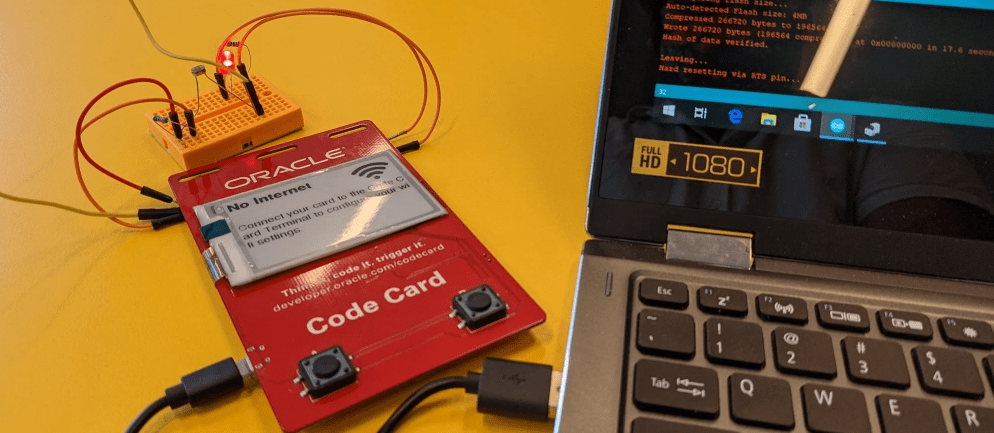
In closing out 2020 and before going on leave, I was given an opportunity (never a challenge). And it came in the form of these Oracle Code Cards. For those that haven’t seen them, this is what they look like and here is a git repository of some code explaining more about the cards themselves that I’m revamping – https://github.com/jlowe000/codecard.
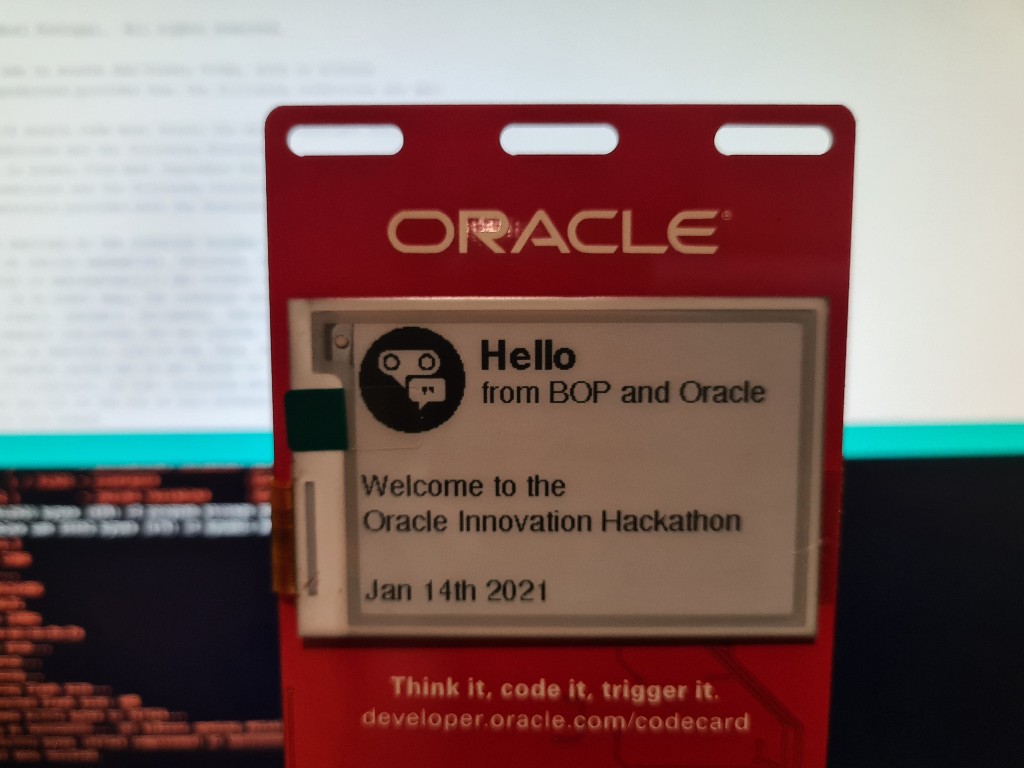
The outcome required was as open as I could get.
Continue reading “Not Just Another Workshop”There were no boundaries and there were no specific rules.
#DigitalDefence – A Tribute To The Teams
It was fantastic to see / hear / participate in the closing ceremony of the #DigitalDefence Hackathon 2020. If you want to check the whole ceremony including some of locknotes, check it out here.
It was great to see who won but also from the judging perspective, who else was in the Top 11 (yes 11, not 10) where we worked with our executive team including Cherie Ryan, Vice President at Oracle and our Regional Managing Director of Australia and New Zealand to pick the winners.
Continue reading “#DigitalDefence – A Tribute To The Teams”#DigitalDefence – The Infinite Game
Last weekend saw over 2,000 people participate in the #DigitalDefence Hackathon hosted by Hackmakers, Oracle as the lead sponsor plus a vast range of other sponsors – ITIC, AustCyber, NASSCOM CoE, Cyber Security Centre of Excellence, IBM and community partners – Public Sector Network, Slack, Black Nova Group, Yirigaa, UNSW DataSoc, SLASSCOM, DataCated Academy and DataEthics4all.
This event was off the back on #BuildWithAI Hackathon hosted by Hackmakers. Being a contributor to that event as a Lead Mentor, Sponsor and a Challenge Organiser, there was something there that resulted from what we were able to deliver – another step in the infinite game. (Note – I haven’t read the book, I don’t follow Simon Sinek however from different communities and framework where we focus on growth mindsets, long tail and talking about your why – this is another example of that same conversation).
Continue reading “#DigitalDefence – The Infinite Game”This is another step in the infinite game.
#DigitalDefence Hackathon … The Why?
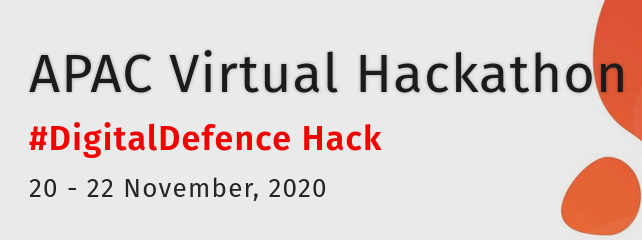
It’s almost 9 days before the event launches on the Friday night. Even before that, there are a series of workshops / webinars that we are hosting as part of the event in the days leading up to the event. Even then we are:
a/ Making sure that we have people, mentors, marketing, product managers, executives lined up to help where they can.
b/ Making sure that we have ideas, platforms, trials, programs, education material lined up to help where it’s feasible.
c/ Making sure that we help promote, advocate, market the event so those who would benefit would know about the event and attend.
All this effort for what outcome?

This says it all. And even though this is about #anomalydetection #deepfake #cybersecurity, much of this comes down to data – where the data can be sourced, how the data can be analysed, is the data reliable and can it be trusted.
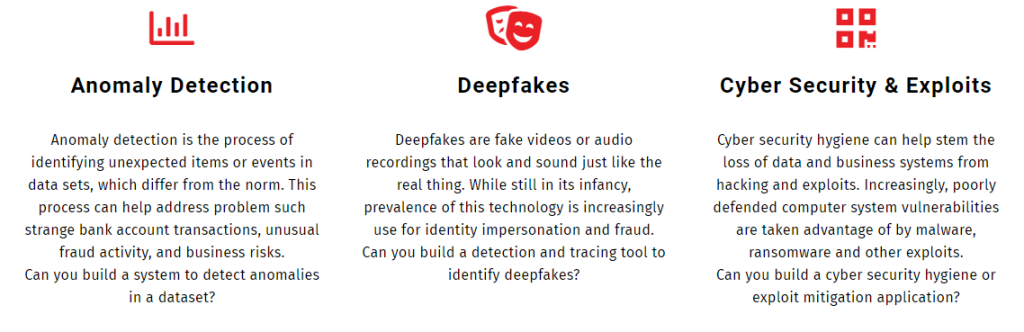
Over the coming days leading up to the event – there will be plenty of chatter around it. Follow the event on LinkedIn. Some easy ways to follow are:
1/ Follow #DigitalDefence at https://www.linkedin.com/feed/hashtag/?keywords=digitaldefence
2/ Follow Hackmakers at https://www.linkedin.com/company/hackmakers
3/ Follow me at https://www.linkedin.com/in/lowe-jason/
I’ll be writing more about it here as we go and as new content is available. If you are interested to know or more if you want to join a team or showcase a project or product – head to the Hackmakers website https://hackmakers.com/ to learn more and register.
 RedThunder.Blog