Guest Blog: Five considerations for OCI IAM in IDCS-migrated tenancies

This is a guest IAM blog written by OCI Security expert Paul Toal.

Oracle Cloud Infrastructure (OCI) comes with its own, enterprise-class Identity and Access Management (IAM) service, which is used to manage users and their permissions within OCI. It can also be used for managing access to resources, applications, and services outside OCI, including on-premises. If you have been using OCI for some time, you may be familiar with Identity Cloud Service (IDCS) and how it was used to layer additional IAM capabilities over the core OCI IAM service. The capabilities from IDCS have now been merged into OCI through the introduction of OCI IAM Identity Domains, meaning IDCS no longer exists as a separate service. There is a great FAQ posted to answer many common questions about this change, including why Oracle has made the change and the benefits of this change.

Oracle has recently undergone the process of automatically migrating all existing OCI customer tenancies from IDCS to identity domains. In this article, we will examine the implications of the migration and the best practices following a tenancy IAM migration.

Continue reading “Guest Blog: Five considerations for OCI IAM in IDCS-migrated tenancies”
#DigitalDefence Hackathon … The Why?

Head to https://hackmakers.com to register as a competitor or to showcase your project / product.

It’s almost 9 days before the event launches on the Friday night. Even before that, there are a series of workshops / webinars that we are hosting as part of the event in the days leading up to the event. Even then we are:

a/ Making sure that we have people, mentors, marketing, product managers, executives lined up to help where they can.
b/ Making sure that we have ideas, platforms, trials, programs, education material lined up to help where it’s feasible.
c/ Making sure that we help promote, advocate, market the event so those who would benefit would know about the event and attend.

All this effort for what outcome?

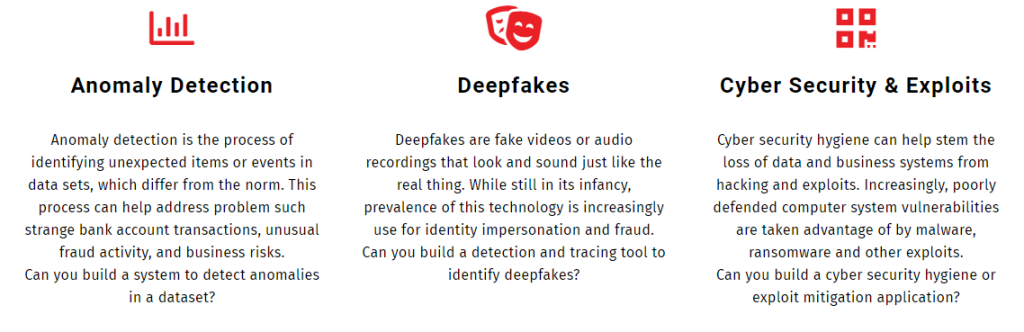
This says it all. And even though this is about #anomalydetection #deepfake #cybersecurity, much of this comes down to data – where the data can be sourced, how the data can be analysed, is the data reliable and can it be trusted.

Over the coming days leading up to the event – there will be plenty of chatter around it. Follow the event on LinkedIn. Some easy ways to follow are:

1/ Follow #DigitalDefence at https://www.linkedin.com/feed/hashtag/?keywords=digitaldefence
2/ Follow Hackmakers at https://www.linkedin.com/company/hackmakers
3/ Follow me at https://www.linkedin.com/in/lowe-jason/

I’ll be writing more about it here as we go and as new content is available. If you are interested to know or more if you want to join a team or showcase a project or product – head to the Hackmakers website https://hackmakers.com/ to learn more and register.

Making access easy but secure

So following on from my earlier article, Policies let your teams play safe, I have been given another challenge: Can we give our users single sign on now that each team can play safely in their own Oracle Cloud Infrastructure compartments?

Single sign on delivers a number of really important benefits. Firstly, the user experience is much smoother and seamless as users don’t get prompted for multiple passwords and don’t have to remember even more passwords. More importantly, single sign on eliminates the need to manage multiple stores of identities. This can be a big overhead for administrators and sometimes open up additional risks. Finally, an enterprise wide identity solution can often provide additional capabilities can be leveraged by your Oracle Cloud Infrastructure.

Continue reading “Making access easy but secure”